
Air Freight Consolidation Services, Global Cargo Shipping
Air Freight Consolidation, ULD Cargo & Air Logistics Solutions
In international air cargo, not every shipment needs a full aircraft booking, but timing still matters. Air freight consolidation is used when smaller shipments need to move together on the same flight, so space is shared instead of booked separately. It usually fits exporters and importers who move regular but smaller volumes across trade lanes.
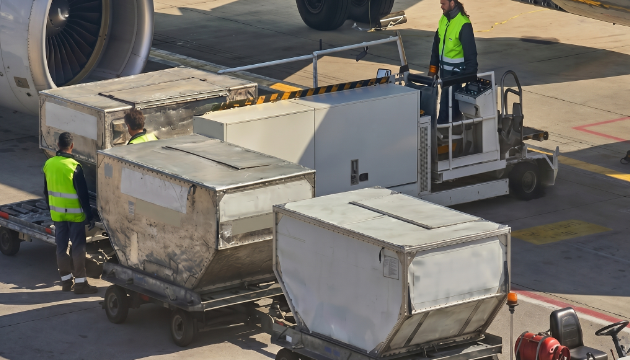
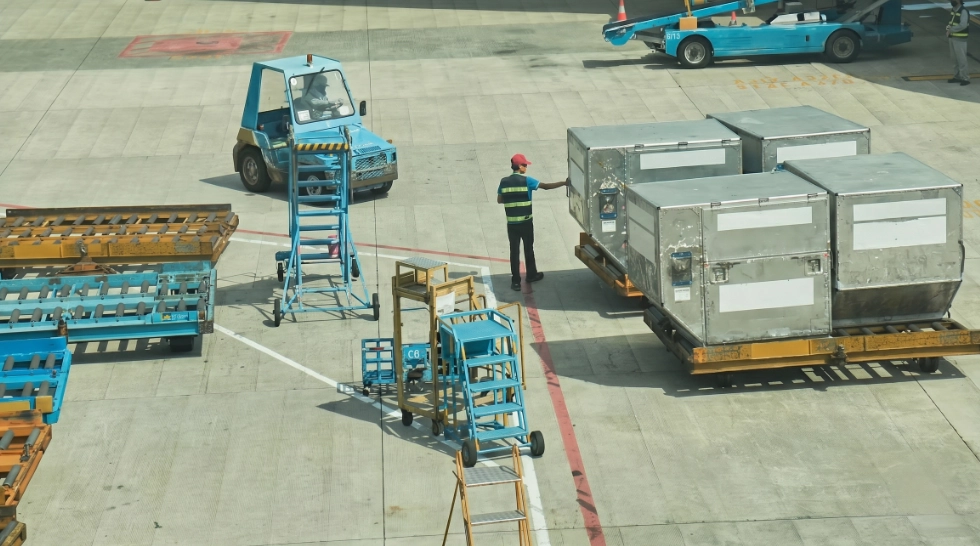
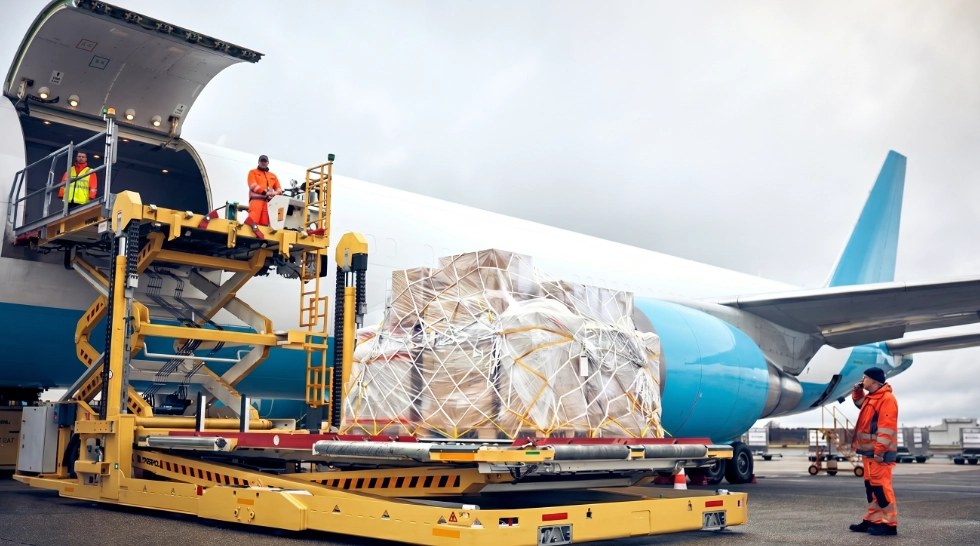
Shipments are grouped into airline capacity using Unit Load Devices (ULDs) and moved under standard air freight documentation like MAWB and HAWB. We at Ascent Global Shipping handle it as a planned process, where cargo is grouped, checked, and scheduled with airline departures so movement stays steady and costs don’t swing too much from shipment to shipment.
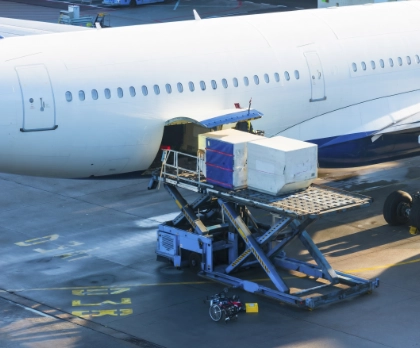
What is Air Freight Consolidation?
Air freight consolidation is a way of moving smaller shipments together on the same flight. Instead of booking full aircraft space for each shipment, cargo from different shippers is grouped and flown under one planned movement. At the destination, it is split again and sent to each receiver separately.
How Air Freight Consolidation Works in IMPEX?
Consolidation
We combine smaller air shipments from different exporters and importers into a single planned air cargo movement, arranged through airline schedules and ULD build-ups.
Cost Structure
You are charged based on the space and weight your cargo occupies in the aircraft, not for a full air booking.
Calculation
Air freight pricing is generally based on chargeable weight, which is derived by comparing actual weight and volumetric weight, and billing the higher value.
Air Freight Consolidation Core Services: Cargo Lifecycle
At Ascent Global Shipping, air freight consolidation follows a planned flow from pickup to delivery. Each shipment is checked, grouped, and moved through airline networks with proper documentation and timing, keeping movement steady and avoiding delays from separate air bookings.
Cargo Intake & Verification
Shipments arrive at the origin handling point where basic checks are done before airline planning. Each package is weighed, measured, and recorded so the space requirement is clear before consolidation.
- Cargo receipt and basic verification
- Weight and dimension checking for air planning
- Packing review to avoid movement issues during flight
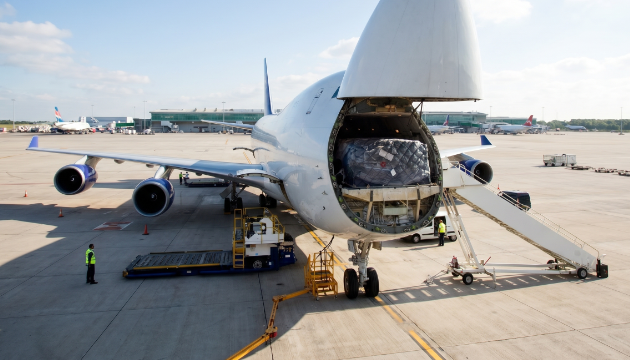
Consolidation & Load Planning
Small shipments are grouped together based on size, weight, and handling requirements. This step decides how cargo will fit into airline ULD units without wasting space or creating imbalance.
- Grouping compatible shipments into one load plan
- Space planning inside airline ULD units
- Separation of fragile, heavy, or irregular cargo
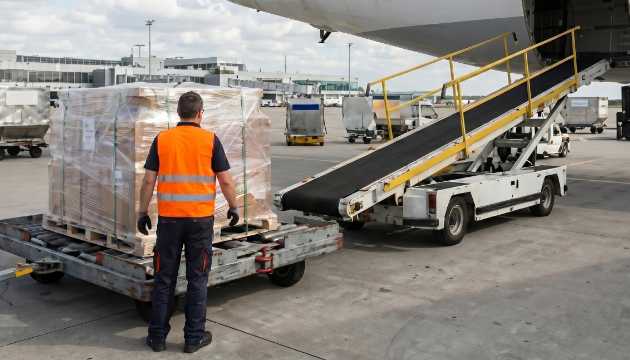
Airline Scheduling & Movement
Once the load is planned, cargo is aligned with scheduled airline departures. This ensures shipments move within fixed flight windows instead of waiting for individual bookings.
- Fixed airline departure coordination
- Booking under consolidated air capacity
- Synchronised movement with global trade routes
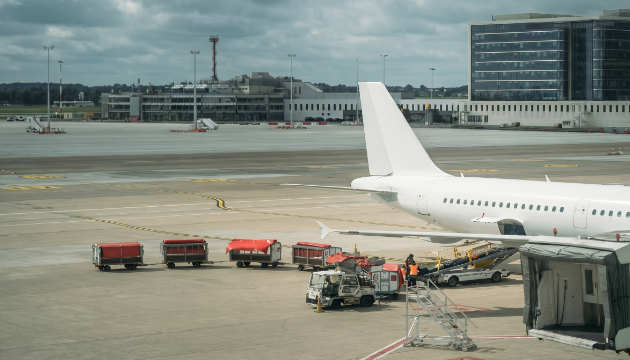
Destination Handling & Separation
On arrival, consolidated cargo is broken down at the destination hub. Each shipment is separated based on its documentation and prepared for customs processing.
- Cargo breakdown at destination warehouse
- Separation of individual shipments
- Preparation for import clearance checks
Final Delivery Movement
After clearance, shipments are moved through local transport networks to reach the final address. This is the last stage where cargo leaves the air system and enters ground delivery.
- Customs cleared cargo dispatch
- Local delivery coordination
- Final handover to consignee location

Why Choose Ascent Global Shipping for Air Freight Consolidation?
Choosing air freight consolidation doesn’t mean losing control or visibility in the process. We keep it managed from end to end.
End-to-end shipment visibility
From cargo intake at origin to arrival at destination airports, you get clear tracking updates so you know where your shipment is at each stage.
Operational coordination across stages
We manage the flow between origin handling, airline schedules, and destination processing so movement stays aligned without gaps in between.
Single point of contact
You deal with one person who follows the shipment through the full consolidation cycle and handles coordination across all touchpoints.
How We Handle Air Freight Consolidation?
Many businesses worry about handling issues or shipment mix-ups in consolidated air freight. We manage it through a controlled process where each shipment is checked, packed, and tracked before it enters airline movement.
Each shipment is checked, measured, and prepared before consolidation. Packing is reviewed so goods stay stable during air transit and loading.
Every shipment is labelled and recorded separately so it stays traceable through the journey, even when grouped into one air movement.
At arrival, documentation is used to separate and process each shipment for clearance without delay at the destination hub.
Is Air Freight Consolidation Right for Your Business?




Pre-Shipment Support: “Consolidation-Ready”
We don’t just move cargo after booking. We support preparation early so shipments enter consolidation without delays or correction at later stages.
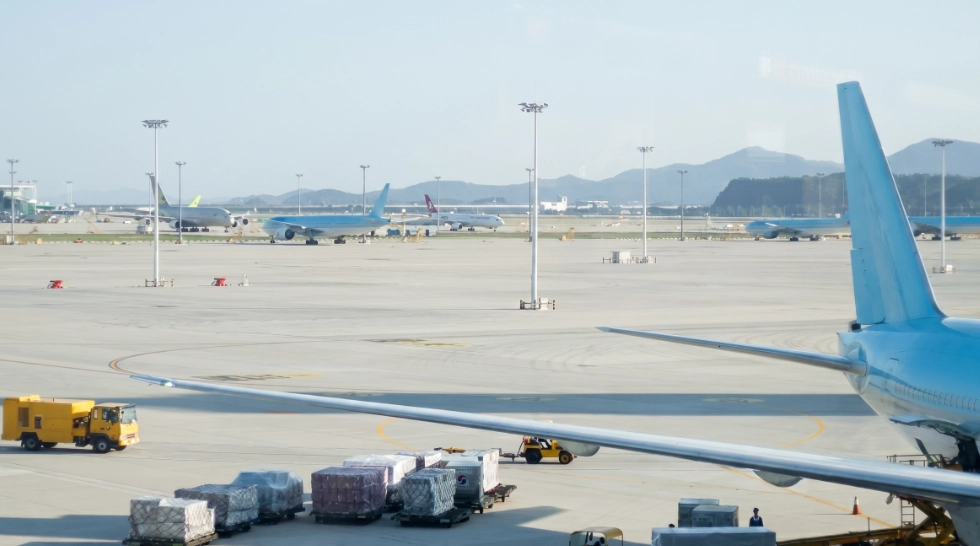
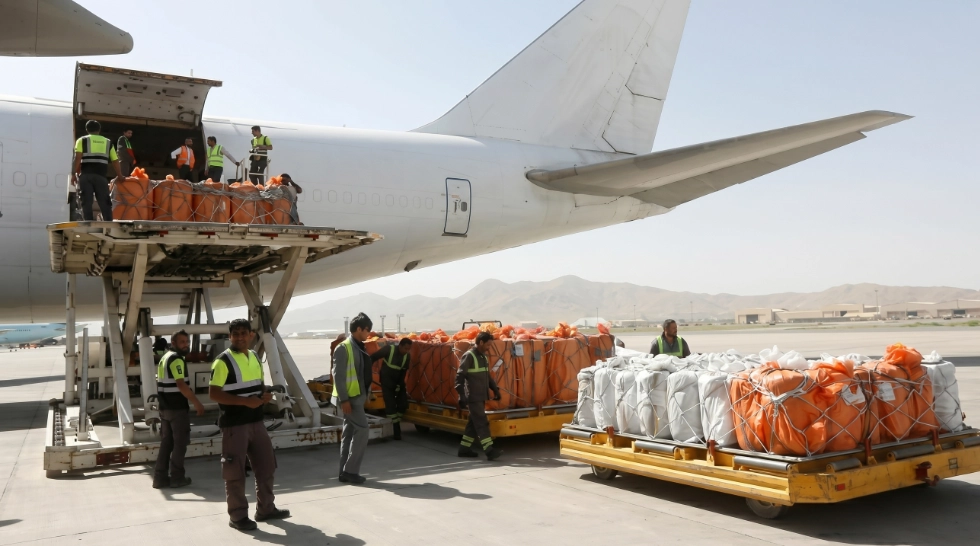
Global Trade Corridors: Air Freight Consolidation Routes

Lean shipment planning
Air freight consolidation helps businesses move smaller shipments more often instead of waiting to build large volumes. This keeps inventory movement active and avoids stock sitting too long in one place, especially for importers and exporters with regular replenishment needs.

Cost balance for smaller volumes
Instead of paying for full aircraft space, you only pay for the space your cargo occupies. This makes air freight more practical for mid-sized shipments where speed is needed but full charter or direct booking is not cost efficient.

More predictable movement cycles
Consolidated air freight runs on scheduled airline departures, so shipments move in planned cycles. This helps businesses align imports and exports with sales demand and avoid irregular stock gaps caused by delayed or unplanned air bookings.